

Sometimes, entering a modern casino platform feels less like clicking into a website and more like stepping into a crafted world. The mix of bright colors, realistic tables, the hum of spinning reels and soft background tracks together can almost trick the senses. And in a way, that’s exactly the point. Digital casinos today are not built only for betting; they are designed to make players feel something. I suppose that’s why I keep exploring new ones, from high‑end global brands to the subtle charm of a no registration casino with effortless entry.
Designers study how people react to movement, tone, and timing. What fascinates me most is how small design changes—like the texture of a digital button or the faint light reflection around a chip—affect trust and excitement. It isn’t about gambling faster, but feeling more present while you play.
The Power of Visual Design
Visual design remains the first language of any gaming environment. Whether it’s a real-life resort or a digital casino lobby, the use of space and light defines the expectations of what’s to come. On a screen, careful layering replaces physical architecture. Gradients stand in for atmosphere. Tiny animations spark life into otherwise static pages, keeping players’ eyes and attention comfortably busy.
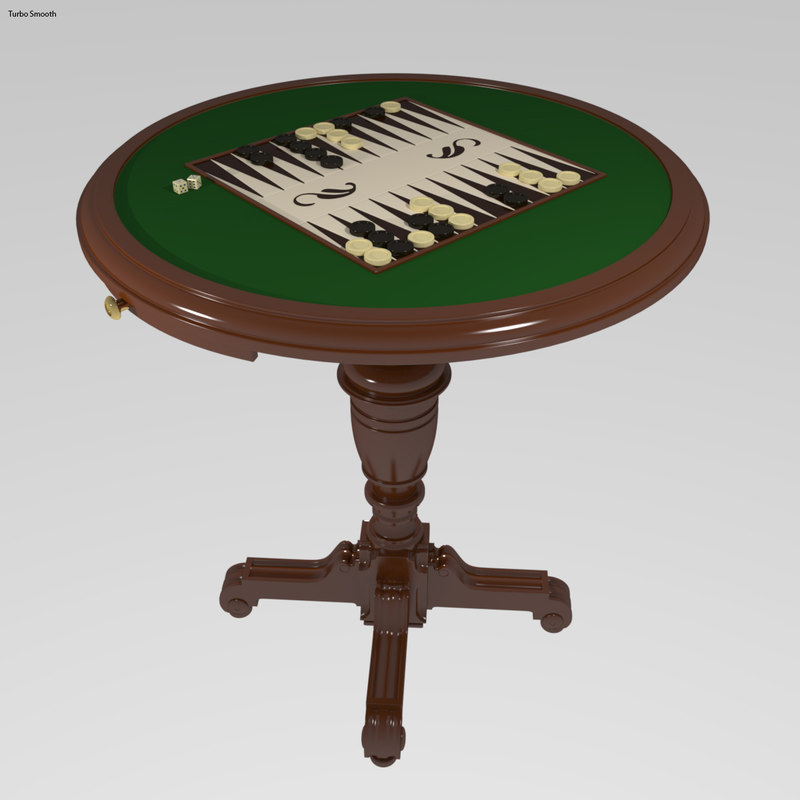
It’s interesting how certain color tones subtly influence our mood. Bright golds create a sense of wealth, while deeper blues give the impression of calm assurance. Some believe that red surfaces—even the delicate border of a slot frame—encourage quicker spins. Maybe that’s myth; maybe it’s marketing. Still, when you’ve spent time navigating these platforms, you start noticing how everything serves purpose.
- Use of gradients and shadows to mimic real depth.
- Smooth, almost tactile transitions between games or menus.
- Personalized themes adapting to player type or lighting preference.
Every pixel on screen is tested for how it might draw or comfort the user. Perhaps too much detail can overwhelm, so good designers tend to balance movement and stillness like a visual rhythm. That’s a level of artistry that quietly supports the gambling experience without ever shouting its presence.
Immersive Soundscapes
Sound remains the emotional layer of any casino, physical or virtual. Good visuals catch attention, but sound holds it. Developers nowadays record or simulate the faint clink of coins, the cheerful chime of bonuses, and background lounge tones that suggest the presence of others nearby. Even while sitting alone at a desk, these subtle cues can make you feel part of something larger.
There’s a tiny psychological principle at play—audio feedback creates anticipation. A gentle buildup before a jackpot triggers a micro-dose of tension. Silence afterward allows for release. Like a film score, the right soundtrack transforms chance into narrative. Try hovering your mouse over a logo; true, small things like that show how sound and interaction fuse together for immersion.
Technology Behind the Experience
The blend of technology and art forms the unseen foundation of everything impressive about online casinos. HTML5 and advanced 3D engines allow seamless transitions without downloads, while machine learning adjusts offers and sound intensity based on playtime. These systems work quietly but constantly, ensuring performance and personalization remain smooth.
- Interface response time improvements through lighter code.
- Cloud‑based audio management for consistent soundscapes.
- Adaptive typography and mobile‑friendly elements to preserve clarity.
- In‑built responsible gaming monitors to track overactive sessions.
These may sound overly technical, but the outcome for players is intuitive. A platform that doesn’t lag, that greets you instantly and plays sounds naturally, feels alive. I’ve noticed how this fluidity indirectly improves trust; smoother behavior makes people less suspicious about fairness, even though logic says they’re unrelated.
Player Engagement and Emotions
At the heart of all this, of course, is the player. The goal of visual and sound craft is not simply aesthetic; it’s emotional. By subtly guiding perception, casinos can create comfort, thrill, and a sense of personal rhythm. You start losing track of time in the same way someone loses themselves in a movie or concert. It’s persuasive design done elegantly.
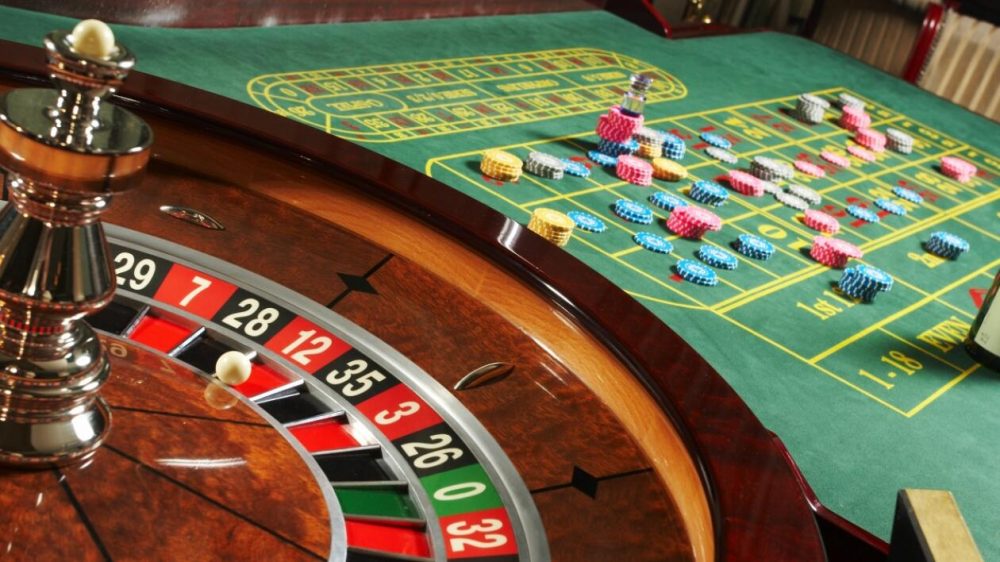
Interestingly, many newer gambling platforms include optional “ambient modes” allowing players to tone down brightness or choose a particular music style. In my tests, users reported longer but calmer sessions, grounded by familiarity rather than adrenaline. That might suggest a shift in philosophy, away from intensity toward sustainability.
- Personalized music or sound settings tailored to mood.
- Dynamic lighting effects linked to gameplay results.
- Interactive tutorials that adapt pacing based on hesitation.
So yes, engagement is crafted visually and aurally, but also emotionally. The ‘slickness’ people mention isn’t only about looks—it’s about how naturally the entire system feels to navigate.
The Future of Casino Design
If design once meant textures and colors, soon it will include touch and spatial interaction. With virtual and augmented reality maturing fast, many online casinos are testing full 3D lobbies or table encounters. Imagine viewing your cards in three dimensions, hearing surrounding chatter rendered from directional microphones, even seeing digital smoke curl through virtual air. It sounds fanciful, yet prototypes already exist. Perhaps in a few years, we won’t just play on screens; we’ll walk inside the experience itself.
FAQ
Q: Why do online casinos invest so much in graphics and sound?
Because atmosphere and trust go hand in hand. A well‑produced environment keeps users engaged longer and confident that the site is reliable.
Q: Does sound really influence play?
Yes, studies show rhythmic audio and subtle tones affect both emotional state and betting speed, though this varies by player type.
Q: Are these designs ethical?
It depends on perspective. Enhancing immersion is fair design, but manipulating emotion too heavily may cross into persuasion. Developers increasingly add customizable modes to maintain balance.
Conclusion
Slick design and immersive sound aren’t side pieces anymore, they are the central identity of modern casino platforms. Every shape, color, and tone guides a feeling, often invisible yet powerful. I think what keeps players returning is this combination of comfort and stimulation, a crafted illusion that still feels oddly personal. Maybe that’s the real art here: transforming code and pixels into an atmosphere that feels alive, even for a few fleeting spins.